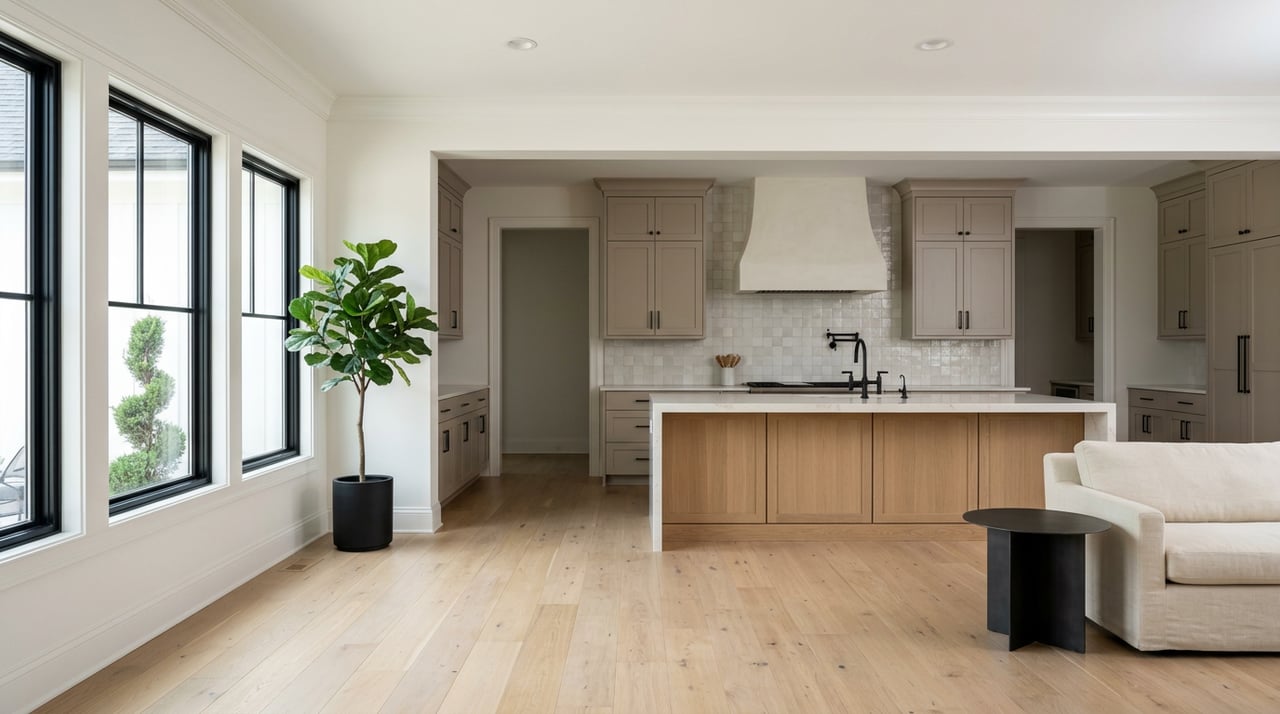
Rockwall New Construction Homes or Resale?
Rockwall Real Estate Jenn Laws March 5, 2026
Rockwall Real Estate Jenn Laws March 5, 2026
Trying to decide between a brand-new home and a well-kept resale in Rockwall? You are not alone. Both paths can work beautifully, but the right choice depends on your timeline, budget, and how much customization you want. In this guide, you will learn the local pros and cons, from build timelines and warranties to option periods, inspections, taxes, and how special districts like MUDs affect your payment. Let’s dive in.
Home values in Rockwall often appear different depending on the data source. Recent snapshots show average values around the mid-400s to low-500s, and inventory has improved compared to the peak seller market. More supply means you have a bit more room to compare homes and negotiate.
New-construction pricing has shown strong momentum in some Rockwall County neighborhoods. Actual pricing and incentives change quickly, so compare current builder offerings and resale options side by side before you decide.
You will find active new-home communities around Rockwall, including Monterra, Sonoma Verde, and The Terraces, plus nearby master-planned neighborhoods. Builders commonly seen in the area include Perry Homes, Highland Homes, David Weekley, Drees, Grand Homes, Coventry, D.R. Horton, and Bloomfield. To see current quick-move-in inventory and which builders are active, browse the Rockwall new-home listings on Livabl’s Rockwall page.
Average construction timelines for a single-family home run about 10 months from permit to completion based on national data, although weather and supply chain can affect this. Built-to-order or custom plans may take longer, while spec and quick-move-in homes can deliver much faster. For a deeper look at timelines and how they vary by build type, review this overview of the new-build process from SoFi’s guide on build times.
If you need to move quickly, target builder spec or quick-move-in homes. Those can often close on a timeline similar to resale once the house is finished.
New construction lets you shape the home to your lifestyle, but timing matters. Structural choices, such as adding a third garage bay or changing the primary suite layout, typically must be decided early. Cosmetic choices like cabinets, counters, tile, and paint happen later at the design center. Prioritize structural changes up front, then manage cosmetic upgrades to stay on budget.
For a true custom build, many buyers use construction-to-permanent loans. These can be single-close or two-close structures, and each handles interest, draws, and conversion to a permanent mortgage differently. If you plan to build from scratch, study the options in Fannie Mae’s construction-to-permanent overview and talk with lenders early. For spec and quick-move-in inventory, standard mortgage timelines usually apply. Ask whether the builder’s incentives require using their affiliate lender.
Most national and reputable regional builders in Texas use a third-party warranty system often described as 1-2-10. That usually means one year for workmanship and materials, two years for major systems, and 10 years for qualifying structural defects. Review the actual contract and exclusions for your specific home. You can learn the basics of these programs in 2‑10 Home Buyers Warranty’s FAQ.
Even with warranties, plan to bring your own inspector. Many buyers schedule phase inspections, such as pre-pour, pre-drywall, and final. An 11th‑month inspection before the builder warranty expires can catch punch-list items in time for coverage.
Many master-planned communities sit inside special districts like Municipal Utility Districts (MUDs) or Public Improvement Districts (PIDs). MUDs fund infrastructure such as water, sewer, roads, and parks, then repay bonds through property taxes and fees. This can raise the initial tax rate compared to an older neighborhood. Get the district name and rate from the sales office and read how these districts operate in the Texas Commission on Environmental Quality’s MUD overview.
Once you have the expected tax rate and an estimated value, model your annual taxes using the Rockwall Central Appraisal District tax estimator. If you compare two homes, run both estimates so you can see the full cost difference.
Rockwall’s master-planned areas often mix lot widths and product lines. Some phases focus on 60- to 70-foot lots with efficient footprints. Higher-end sections may offer larger homesites that feel more open. If yard size or outdoor living is key for you, verify lot width and estimated setbacks before you sign.
In Texas, buyers commonly negotiate an option period, a short window after contract when you can terminate for any reason after paying a negotiated option fee. Many deals use a 5 to 10 day window, but both the length and fee are negotiable. The option period is when you complete inspections and negotiate repairs or credits. For consumer guidance on the process, start with the Texas Real Estate Commission’s public FAQs.
Your general home inspection covers structure, roof, HVAC, electrical, and plumbing that are visible and accessible. Depending on the findings, you may add a termite inspection and specialist checks such as an engineer review for foundation concerns or a sewer scope. Local inspection firms outline what a thorough inspection includes and when to add specialty inspections.
North Texas soils expand and contract with moisture changes. That can contribute to slab movement if drainage and irrigation are not well managed. If you see signs of settlement or your inspector flags concerns, consider an engineer evaluation. You can find regional guidance on expansive clay and foundation best practices from Thomas Engineering DFW.
Waterfront or low-lying properties near Lake Ray Hubbard may require extra review. Check FEMA flood maps and confirm floodplain questions with the city or county floodplain administrator as part of your due diligence.
A typical resale purchase in Texas closes in about 30 to 45 days with financing. Cash deals or streamlined lender processes can close faster. Plan your final walkthrough the day before or the day of closing to confirm agreed repairs and the home’s condition. For a general timing overview, see this summary of closing timelines.
Beyond the purchase price, compare taxes, insurance, utilities, and expected maintenance. Older homes may need systems updates sooner, while established neighborhoods might carry lower tax rates than new communities with special districts. Use the RCAD tax estimator to compare scenarios.
Decide whether you will buy first or sell first. If you are building, ask your lender about bridge options or timing strategies to avoid two moves.
For a new build, lock key structural choices early, then manage cosmetic upgrades for value. Confirm any builder incentive requirements with their preferred lender.
For resale, coordinate your sale timeline, repairs, and temporary housing if needed. A strong negotiation plan can help align both closings.
Use this list to compare two or three homes head to head.
Choosing between new construction and resale in Rockwall comes down to clarity on timeline, budget, and how much customization you want. If you want a hands-on, step-by-step plan, let’s build it together. Schedule a free consultation with Jenn Laws - Main Site to compare your top options and move forward with confidence.
Stay up to date on the latest real estate trends.
Rockwall Lifestyle
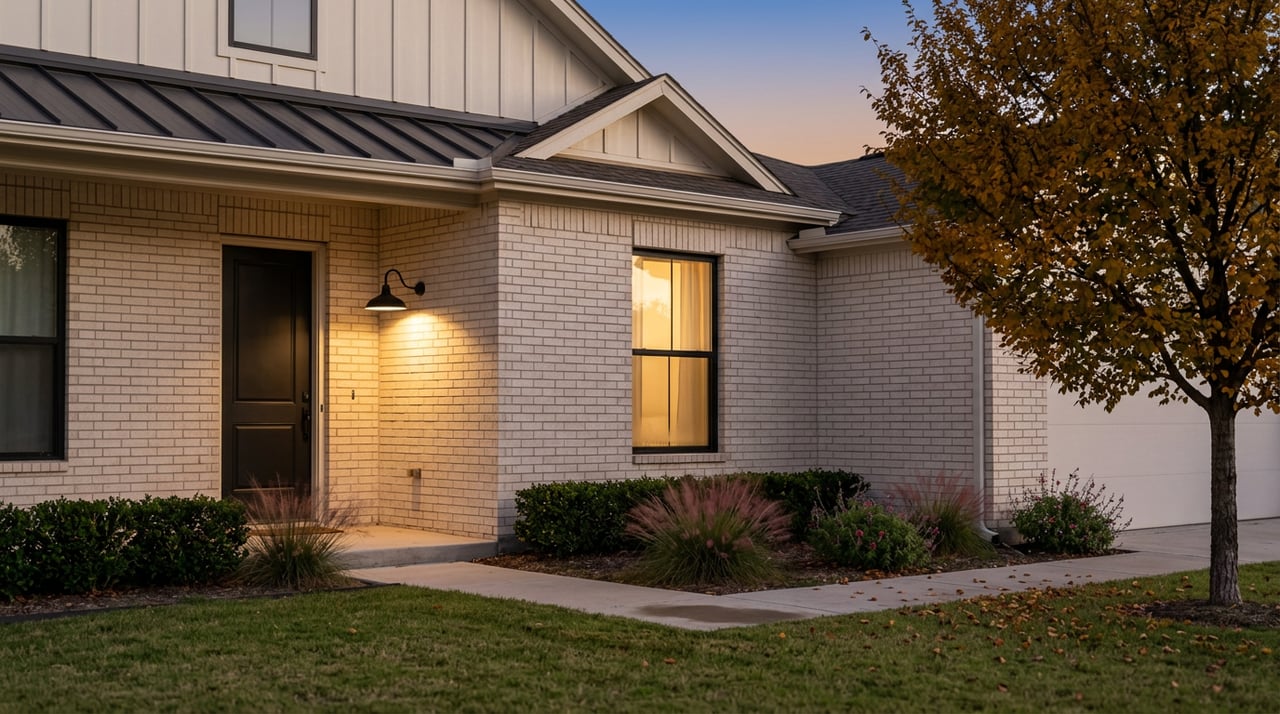
Something quiet has been happening between the courthouse square and the marina. Two years ago, a Friday night in Rockwall meant a decision: drive west into Dallas, or… Read more
Rockwall Lifestyle
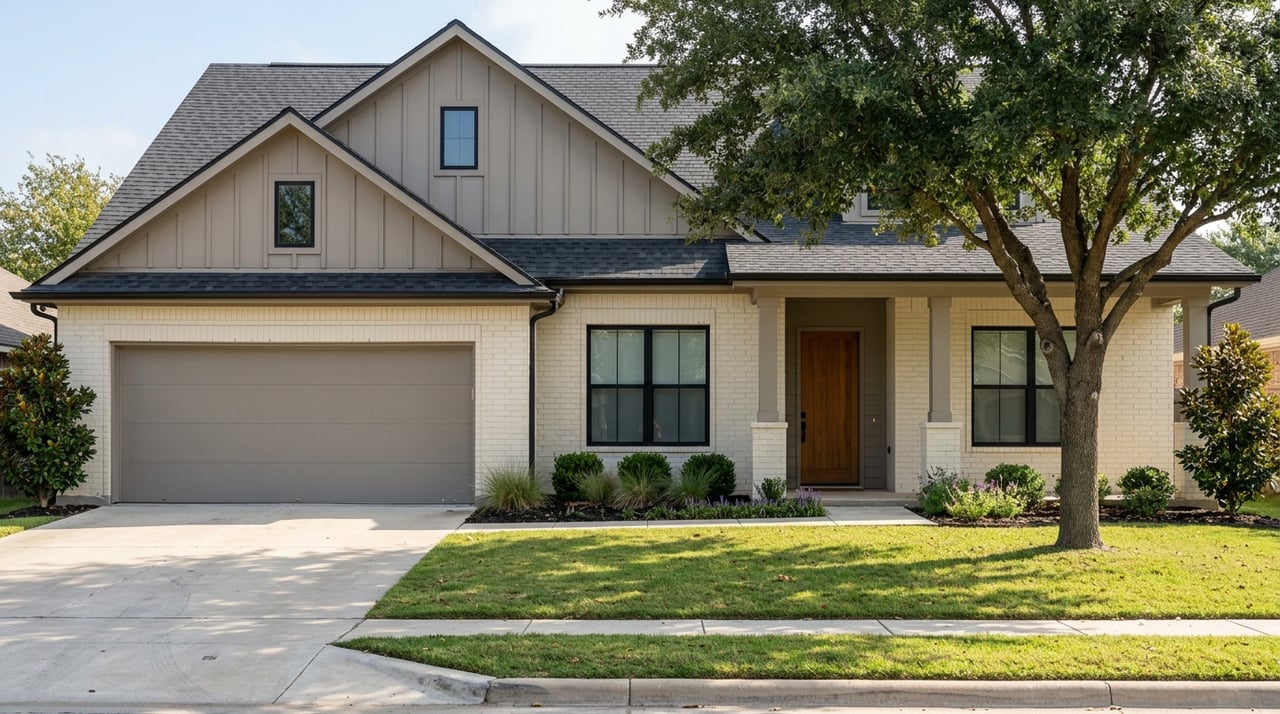
For years the reflex was automatic. Craving a real dinner, a bookstore evening, or a proper Saturday market meant pointing the car west toward the Rockwall square or s… Read more
Selling Your Home
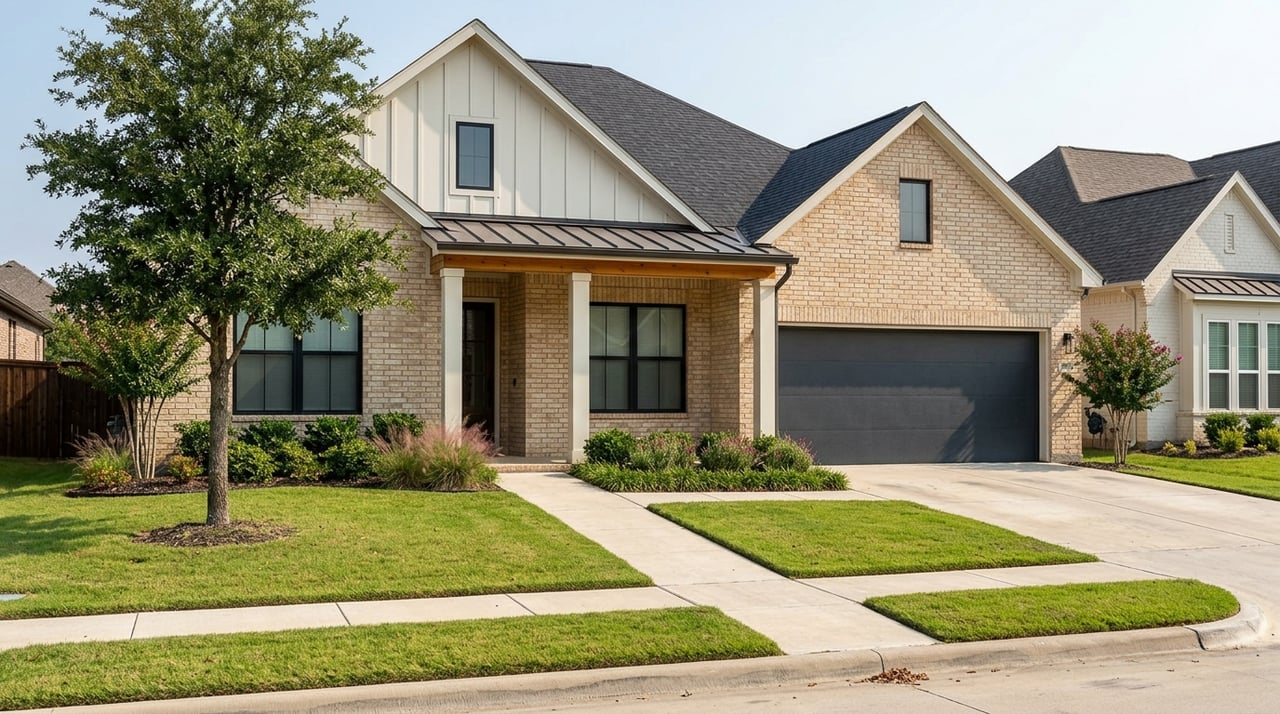
Thinking about a brand-new home in Fate while your current home still needs to sell? You are not alone, and this move can feel like a lot to coordinate.
Rockwall Real Estate
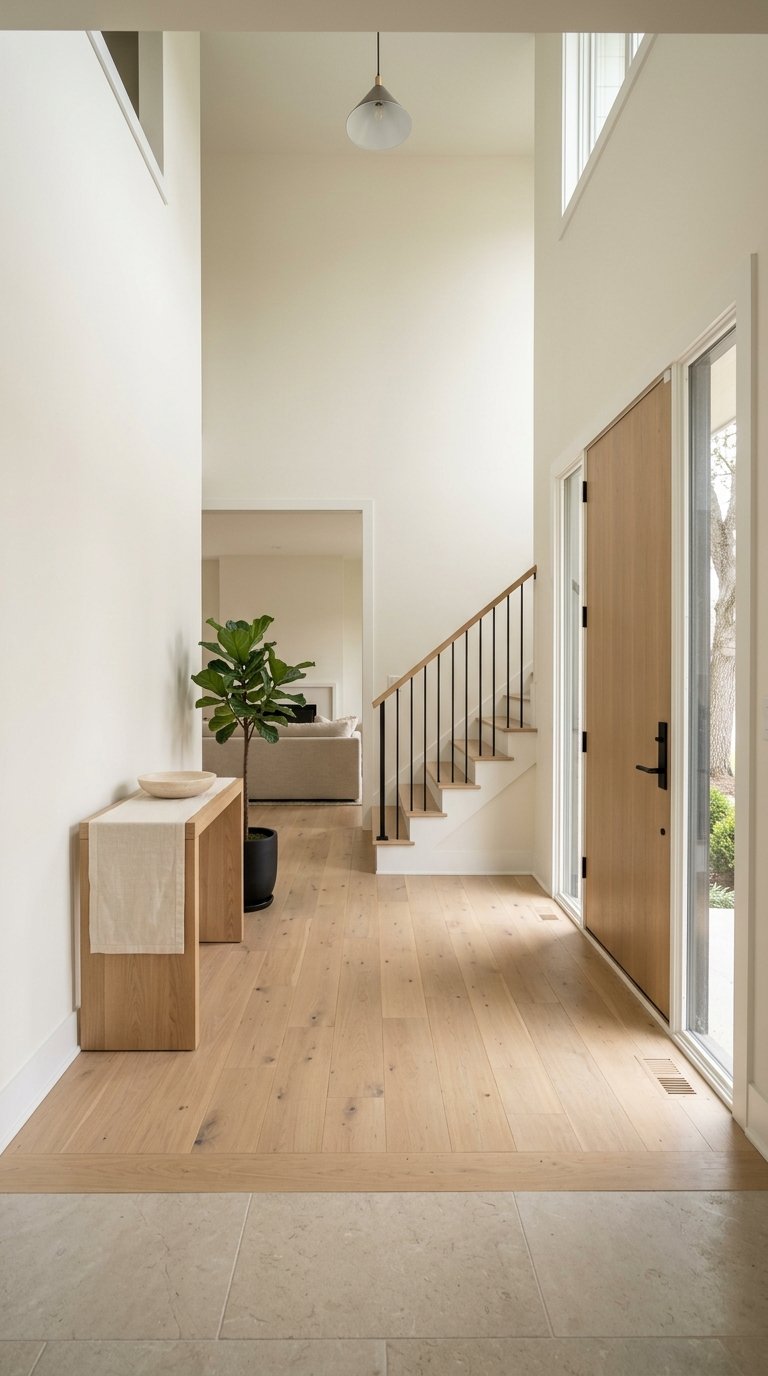
Trying to choose between Fate and Rockwall for your next move? You are not alone. Both cities sit in the same northeast Dallas orbit, but they offer different day-to-d… Read more
Rockwall Real Estate
Buying your first home in Rockwall can feel exciting one minute and overwhelming the next. You are likely asking how much cash you really need, how fast you need to mo… Read more
Rockwall Real Estate
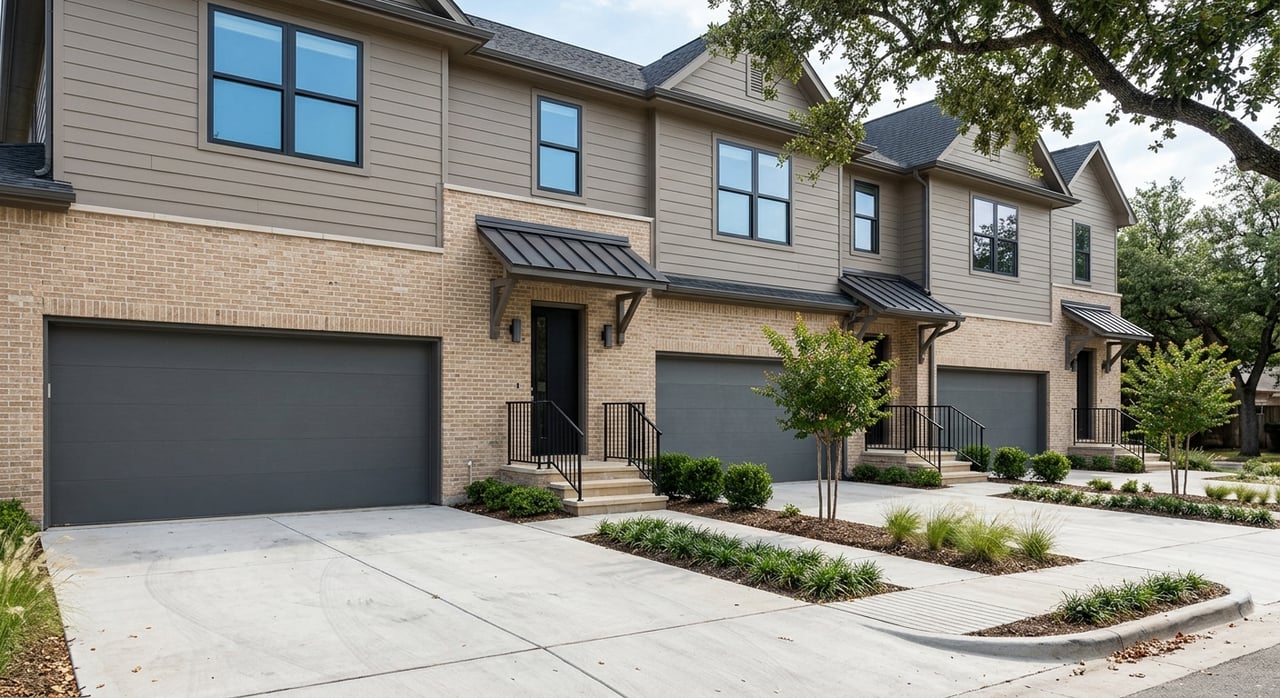
Looking for a home near Lake Ray Hubbard without taking on a big yard and a long weekend to-do list? If you want easier upkeep, close access to Rockwall’s lakefront li… Read more
Rockwall Real Estate
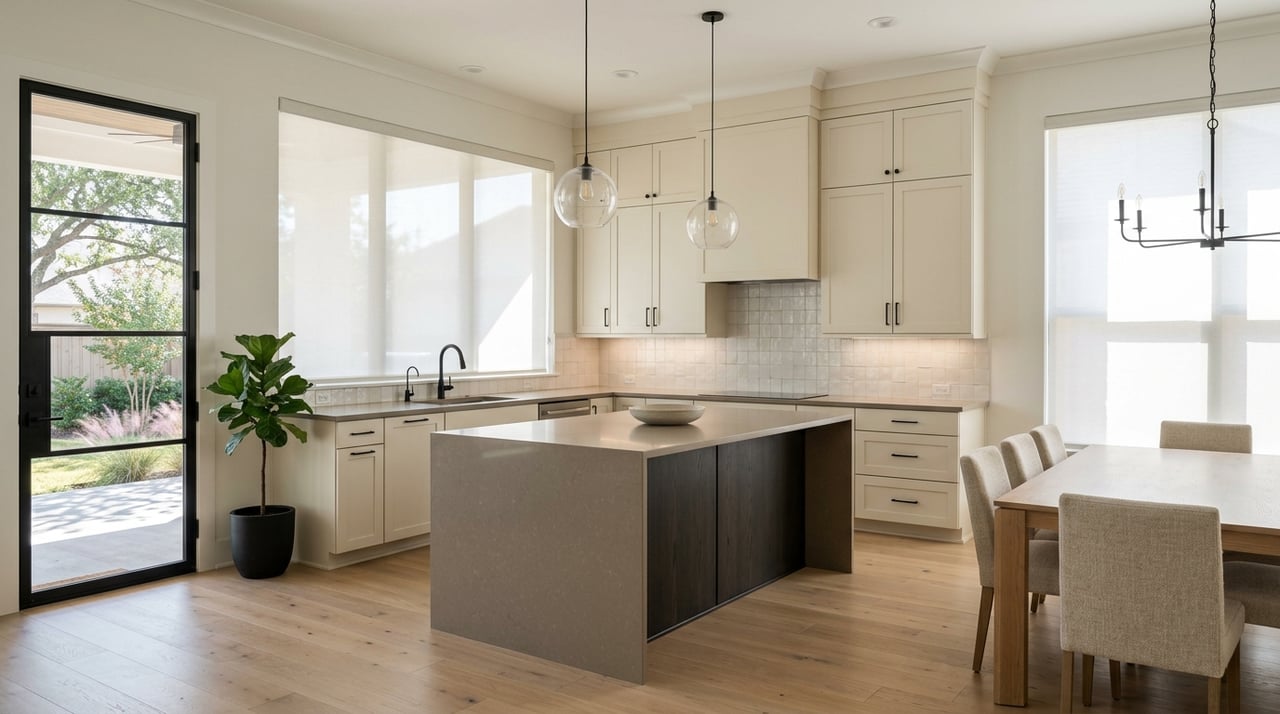
Wondering how to sell your current home in Rockwall without losing the home you want next? You are not alone. For many homeowners, the hardest part is not selling or b… Read more
Enjoy a personalized, hands-on experience with a dedicated Rockwall real estate professional focused on your goals.