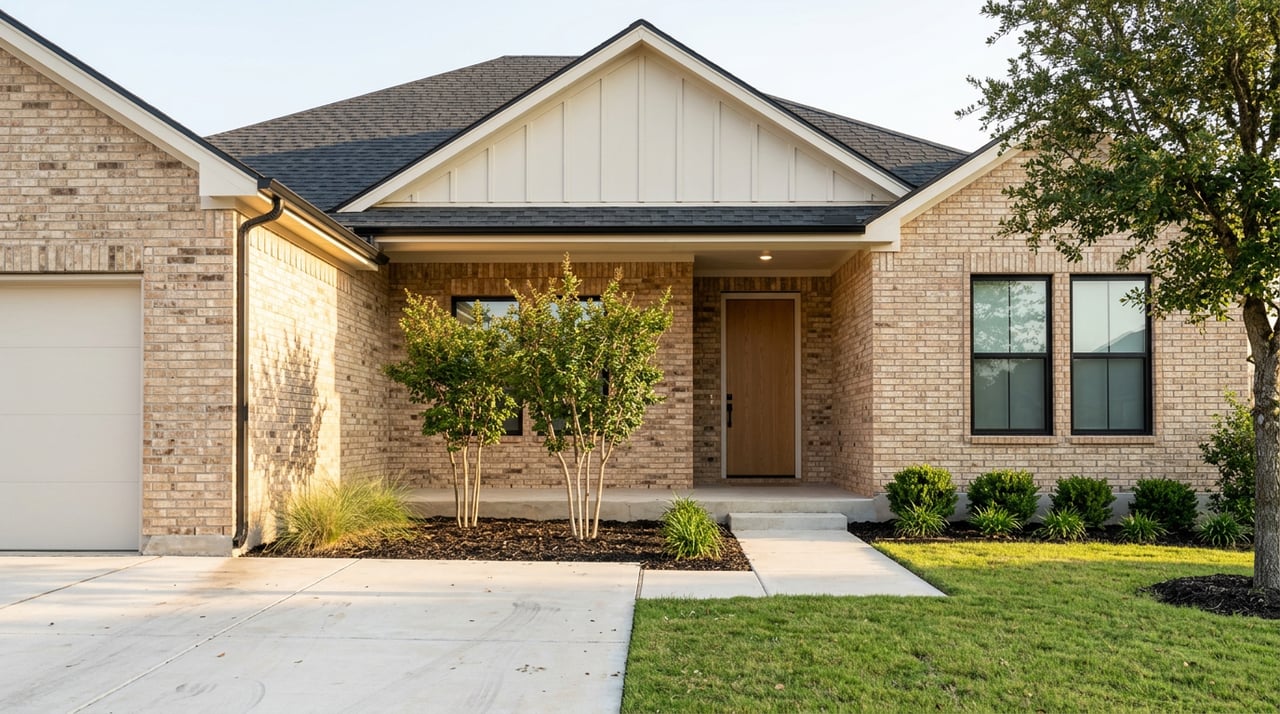
Rockwall Home Pricing Strategy for a Smarter Sale
Rockwall Real Estate Jenn Laws March 24, 2026
Rockwall Real Estate Jenn Laws March 24, 2026
Is your Rockwall home worth more than last year, or has the market shifted under your feet? Pricing is the one decision that sets the tone for your entire sale, from how many buyers see your listing to what you net at closing. If you want strong results without sitting on the market, you need a smart, local strategy backed by real data.
In this guide, you’ll learn how to set a competitive list price in Rockwall using current MLS stats, a clear CMA process, and the local factors that move value here. You’ll also see how buyer search behavior shapes your pricing decision and what to do in the first two weeks on market. Let’s dive in.
The local market has cooled from the frenzied pace of 2021–2022, but prices remain elevated versus many past years. According to the January 2026 MLS summary, Rockwall County single-family homes showed an average sale price near $538,800, a county median around $470,000, a median of about 89 days on market, and roughly 4.9 months of inventory. Rockwall city’s median sold price was about $530,000 with months of supply in the mid 4s. You can review the monthly snapshot in the NTREIS/MetroTex report for January 2026. View the MLS summary.
What does that mean for you? With months of supply near the 4 to 6 range, many neighborhoods feel more balanced. Buyers are looking closely at condition and value. You should expect thoughtful negotiations rather than automatic multiple offers. The right listing price will pull in active buyers without leaving money on the table.
Different consumer sites often show different medians because they use varied time frames and mix listing versus sold data. Treat those as context, not gospel. For your home, the most accurate valuation comes from recent MLS comps and a detailed CMA.
A Comparative Market Analysis (CMA) blends recent sold data with what is pending and what is currently for sale. The goal is to bracket your value with real buyer behavior and competition, then adjust for differences like size, condition, and features. Most agents recommend a value range, not one magic number.
Waterfront and near-marina homes typically command a premium versus inland properties because the lake lifestyle and limited supply create stronger demand. If your home has a view, dock, or direct lake access, you should use specific lakefront comps, not inland sales. Explore waterfront context via Lake Ray Hubbard listings as a starting point, then rely on a local CMA to fine-tune value.
Some Rockwall-area neighborhoods sit in municipal utility districts or special districts, which can affect annual property taxes and buyer affordability. Disclose your taxing units and whether your lot is in a MUD. A current example is Rockwall County MUD 6’s 2025 tax rate order. You can review a sample district tax order here and confirm your own tax units through the Rockwall Central Appraisal District. Check your property’s account and exemptions on the Rockwall CAD site.
Texas voters approved a larger school district homestead exemption in November 2025, raising the general school exemption to $140,000. This can change net tax bills for qualifying primary residences in 2026. Read a plain-English summary from Texas Standard and use the Rockwall CAD portal for filing and exemption guidance.
Flood exposure varies block by block near Lake Ray Hubbard and low-lying areas. Flood zone designation and any past flood claims can affect financing, insurance, and buyer comfort. Verify your status before listing and disclose known issues. For pricing, flood risk or mitigation features may require adjustments.
School assignment and commute time to Dallas, Plano, or Irving often shape buyer demand in certain price ranges. Your CMA should use comps within the same or similar school boundaries and consider typical commute patterns to better match likely buyer preferences.
Many buyers set online filters around round numbers, like 500,000 or 600,000. You can use “bridge pricing” to appear in two common search bands at once. For example, pricing at 500,000 can capture buyers searching up to 500,000 and those starting at 500,000 to 550,000. Industry guidance supports testing bridge pricing and adjusting early based on traffic. Learn more about the first-weeks strategy in this pricing tactics overview.
The first two weeks are critical. Strong photos, accurate pricing, and broad syndication will drive the most showings early. If you get steady showings but no offers, a small, quick adjustment often helps. If showings are very light, a larger correction may be needed to re-enter the right buyer pool. See industry best practices on monitoring early signals and fine-tuning price in this strategy piece.
Agree with your agent on simple thresholds. For example, decide in advance what level of traffic or feedback would trigger a modest price change in the first 10 to 14 days. This removes guesswork and helps you move decisively.
You do not need a full remodel to sell well. In today’s Rockwall market, small, visible updates can punch above their weight. Fresh paint, light landscaping, deep cleaning, minor kitchen refreshes, and carpet or flooring touch-ups often improve first impressions. If bigger projects are on your mind, compare their cost to a targeted price strategy. In many cases, thoughtful staging and competitive pricing bring more qualified buyers through the door faster.
Pricing well is part data and part local nuance. Lake proximity, special districts, tax changes, and buyer search habits all matter in Rockwall. If you want a confident plan, partner with a local agent who will build a precise CMA, walk you through the numbers, and adjust quickly based on real-time feedback.
If you are ready to sell or just want a pricing game plan, reach out to schedule a quick consult. I will review your goals, build a custom CMA, and outline the steps to launch strong. Connect with me at Jenn Laws - Main Site.
Stay up to date on the latest real estate trends.
Stay informed with expert real estate insights, market updates, and practical tips from Jenn Laws. Designed to help buyers, sellers, and investors with Rockwall living.
Rockwall Real Estate
Stay informed with expert real estate insights, market updates, and practical tips from Jenn Laws. Designed to help buyers, sellers, and investors with new builds in F… Read more
Stay informed with expert real estate insights, market updates, and practical tips from Jenn Laws. Designed to help sellers and expectations.
Stay informed with expert real estate insights, market updates, and practical tips from Jenn Laws. Designed to help buyers learn about Fate Texas.

Stay informed with expert real estate insights, market updates, and practical tips from Jenn Laws. Designed to help buyers, sellers, and investors with the Rockwall li… Read more
Stay informed with expert real estate insights, market updates, and practical tips from Jenn Laws. Designed to help buyers, sellers, and investors with Fate living.
Stay informed with expert real estate insights, market updates, and practical tips from Jenn Laws. Designed to help buyers, with leasing before buying.
Rockwall Real Estate
Enjoy a personalized, hands-on experience with a dedicated Rockwall real estate professional focused on your goals.